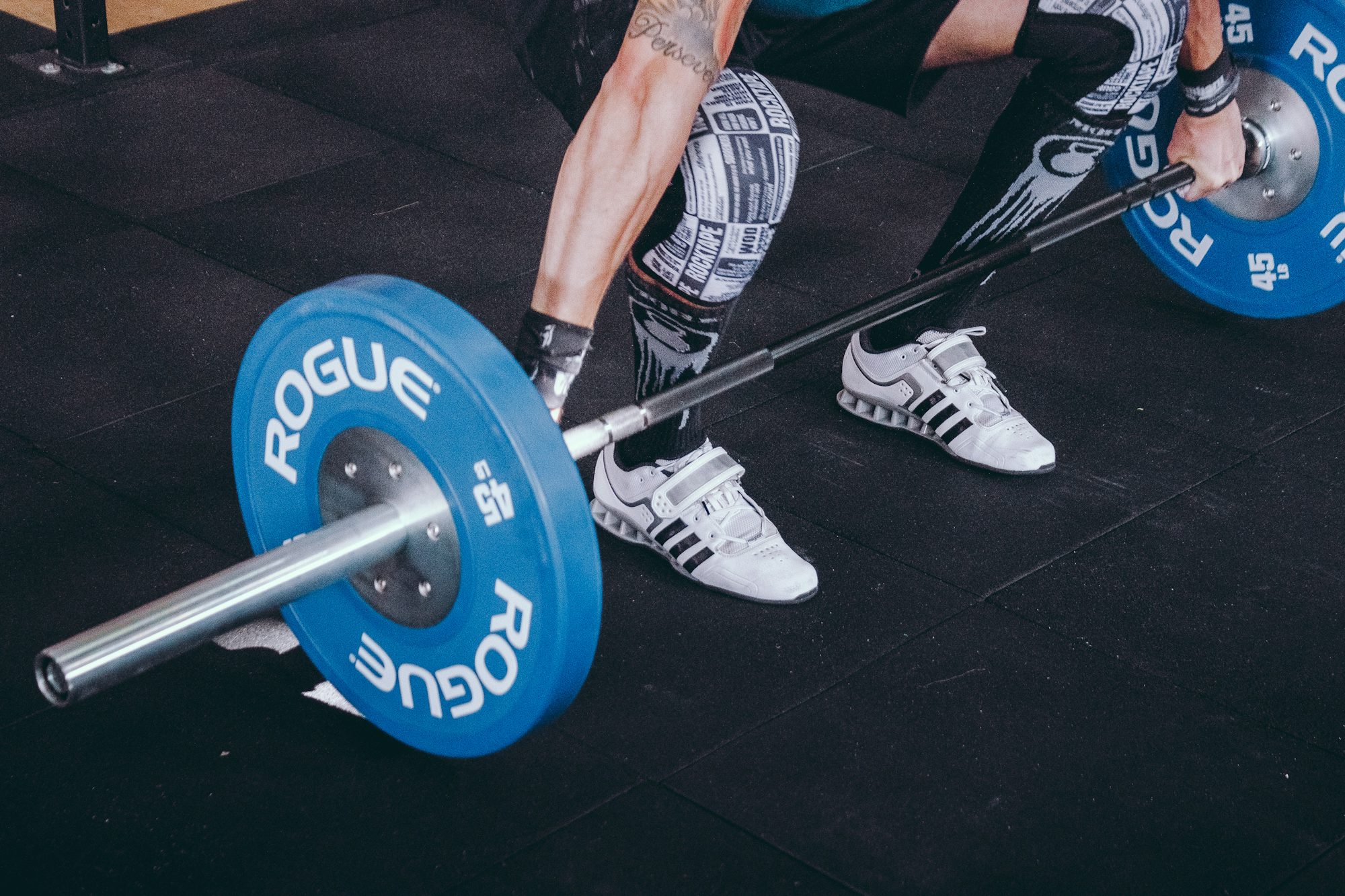
Strength training, often referred to as resistance training, is a form of exercise that focuses on improving muscle strength and endurance. This type of training is essential for everyone, regardless of age or fitness level, as it not only helps in building muscle but also enhances overall health and well-being. In this article, we will explore the benefits of strength training, different types of exercises, and practical tips to incorporate it into your daily routine.
Understanding Strength Training
At its core, strength training involves using resistance to induce muscular contraction, which in turn builds strength, anaerobic endurance, and muscle mass. This can be achieved through various methods such as weightlifting, bodyweight exercises, resistance bands, or even functional movements that mimic everyday tasks.
Benefits of Strength Training
1. Improved Muscle Strength: The primary goal of strength training is to increase the strength of your muscles. This not only enhances your physical capabilities but also supports daily activities like lifting, carrying, and climbing.
2. Enhanced Bone Health: Engaging in regular strength training helps increase bone density, reducing the risk of osteoporosis and fractures as you age. This is particularly important for women post-menopause, who are more susceptible to bone density loss.
3. Boosted Metabolism: Muscle tissue burns more calories at rest than fat tissue. By increasing your muscle mass through strength training, you can boost your metabolism, making it easier to maintain a healthy weight.
4. Improved Posture and Balance: Strength training strengthens core muscles, which are crucial for maintaining proper posture. It also enhances balance and stability, reducing the risk of falls and injuries, especially in older adults.
5. Increased Functional Strength: The benefits of strength training extend beyond aesthetics. It improves your ability to perform everyday tasks, making daily life easier and more enjoyable.
6. Mental Health Benefits: Like other forms of exercise, strength training can help reduce symptoms of anxiety and depression. The endorphins released during exercise promote a sense of well-being and happiness.
7. Better Sports Performance: For athletes or those involved in recreational sports, strength training can improve performance by increasing power, speed, and agility.
Types of Strength Training Exercises
Strength training exercises can be categorized into several types, each offering unique benefits:
1. Weightlifting: This includes exercises using free weights (like dumbbells and barbells) and weight machines. Weightlifting is a classic form of strength training that allows for targeted muscle engagement.
2. Bodyweight Exercises: These exercises use your own body weight as resistance. Examples include push-ups, pull-ups, squats, and lunges. Bodyweight exercises are versatile and can be performed anywhere, making them accessible to all.
3. Resistance Band Workouts: Resistance bands provide a portable and effective way to incorporate resistance into your workouts. They can be used for a variety of exercises targeting different muscle groups and are especially useful for beginners.
4. Calisthenics: This form of strength training involves a series of movements performed in a rhythmic manner. Exercises like burpees, dips, and planks fall into this category, focusing on functional movements that build overall strength and flexibility.
5. Functional Training: These exercises mimic everyday activities, improving overall strength and coordination. Examples include kettlebell swings, medicine ball throws, and exercises involving stability balls.
How to Get Started with Strength Training
Embarking on a strength training journey can be both exciting and intimidating. Here are some practical tips to help you get started:
1. Set Clear Goals: Determine what you want to achieve through strength training. Whether it’s building muscle, improving endurance, or enhancing athletic performance, having clear goals will help keep you motivated.
2. Start Slow: If you’re new to strength training, begin with lighter weights or bodyweight exercises to master proper form. Gradually increase the intensity and resistance as your strength improves.
3. Learn Proper Form: Proper technique is crucial to prevent injuries. Consider working with a personal trainer or watching instructional videos to ensure you are performing exercises correctly.
4. Create a Balanced Routine: A well-rounded strength training program includes exercises that target all major muscle groups: legs, back, chest, shoulders, arms, and core. Aim to include a mix of exercises in your routine.
5. Establish a Consistent Schedule: Aim to incorporate strength training into your routine at least two to three times a week. Consistency is key to seeing progress.
6. Listen to Your Body: Pay attention to how your body responds to workouts. If you experience pain (not to be confused with the discomfort that comes with challenging yourself), modify your routine or take a rest day as needed.
7. Track Your Progress: Keeping a record of your workouts can help you stay motivated. Note the exercises, weights, and repetitions, and celebrate your progress along the way.
Sample Strength Training Workout Plan
Here’s a simple workout plan to get you started:
Day 1: Upper Body
– Push-ups: 3 sets of 10-12 reps
– Dumbbell Bench Press: 3 sets of 10-12 reps
– Bent-over Rows: 3 sets of 10-12 reps
– Shoulder Press: 3 sets of 10-12 reps
– Tricep Dips: 3 sets of 10-12 reps
Day 2: Lower Body
– Squats: 3 sets of 10-15 reps
– Lunges: 3 sets of 10-12 reps per leg
– Deadlifts: 3 sets of 10-12 reps
– Calf Raises: 3 sets of 12-15 reps
Day 3: Core and Functional Movements
– Planks: 3 sets of 30-60 seconds
– Russian Twists: 3 sets of 15-20 reps
– Medicine Ball Slams: 3 sets of 10-12 reps
– Burpees: 3 sets of 10-12 reps
Conclusion
Strength training is an invaluable component of a balanced fitness routine, offering a myriad of physical and mental health benefits. By incorporating a variety of exercises and establishing a consistent schedule, you can build strength, improve overall fitness, and enhance your quality of life. Remember, the journey to strength is a gradual process; celebrate your achievements along the way and enjoy the benefits that come with it. With dedication and perseverance, you’ll be well on your way to becoming a stronger, healthier version of yourself.